The Art of Stage Racing: Train Smart, Pack Light, Race Strong
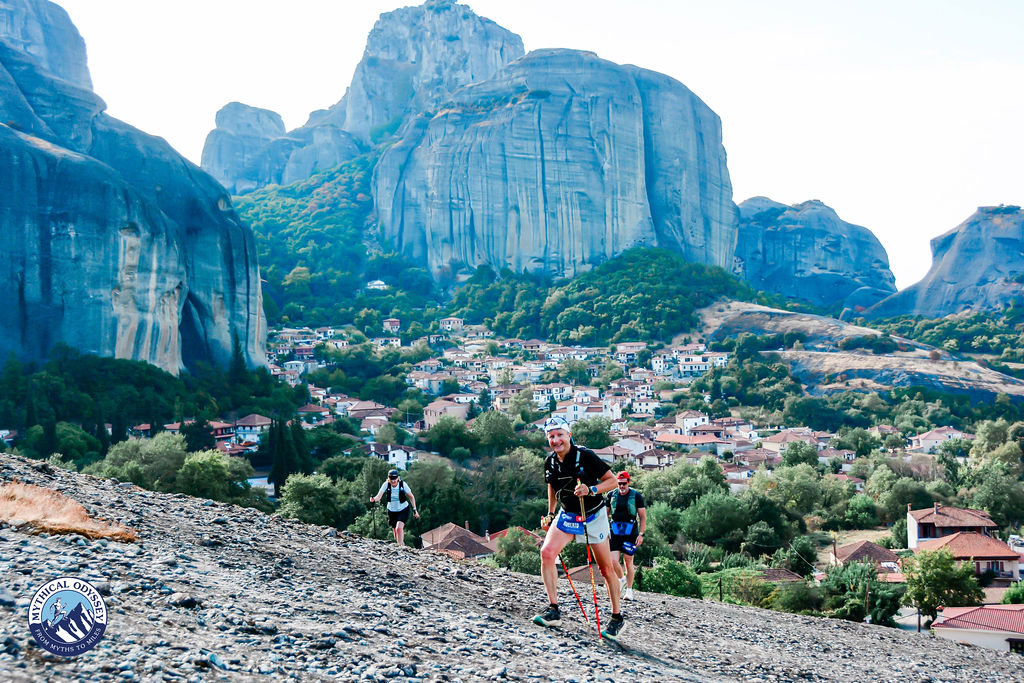
No two stage races are alike, and neither are the athletes preparing for them. Discover what matters most in training, gear, nutrition, pacing and mindset, and learn how individual coaching can help you arrive at the start line healthy, confident and prepared.
At the start of a stage, competitors often shoot off like a cannon. I let them go. On the climbs, I usually catch up with them and build a gap. The time I gain becomes a cushion for the days ahead. In stage racing, the decisive moves rarely happen at the start line.
About the author: Roberto Rivola is a Swiss trail running coach and stage racer who raced the Gobi March in Mongolia and the Mythical Odyssey in Greece this year.
What makes stage racing so special? Is it the challenge of running day after day, the adventure of crossing deserts and mountains, the satisfaction of reaching the final finish line, or the training? Probably all four. But success takes more than endurance. It means preparing intelligently, managing energy, selecting the right equipment and recovering well enough to start again the next morning.
Drawing on years of experience as both a competitor and a coach in desert and mountainous stage races, this article covers the key ingredients for success: training, equipment, nutrition, pacing and mental resilience.
1. Train smart: prepare for consecutive days
The defining feature of stage racing is accumulated fatigue. While a single-day (ultra-)marathon ends at the finish line, a stage racer must recover well enough to start again the next morning.
Back-to-back sessions are particularly valuable. Introduce them gradually by starting with two manageable sessions on consecutive days, then increasing the overall load. Neither session needs to be hard. A longer session on day one followed by a shorter, easier session on day two is often more effective than two hard workouts. The goal is to learn to perform under accumulated fatigue without excessive stress or compromised recovery.
These training sessions also allow you to test race nutrition, hydration and equipment under realistic conditions. For self-supported races, carry a heavier pack on the first day than on the second, reflecting the decreasing weight of your food supply.
2. Strength and elevation: prepare for the terrain
Stage races expose muscles, tendons and joints to substantial repetitive loads. Strength training prepares the body for these demands, particularly single-leg exercises, calf strength, core stability and upper-body work for back and shoulders.
The terrain of the target race should guide training priorities. A mountain stage race with 7,000 meters of elevation gain requires specific preparation for both climbing and descending: uphill running and hiking (with poles, if they will be used in the race), complemented by controlled downhill training.
Progress gradually. Going from 100 to 1,000 meters of elevation gain and loss from one week to the next is not sensible. Your body needs time to adapt, especially to the eccentric demands of long descents. The goal is to become efficient and confident on the race terrain, not simply to collect vertical meters.
3. Pack light, but pack smart
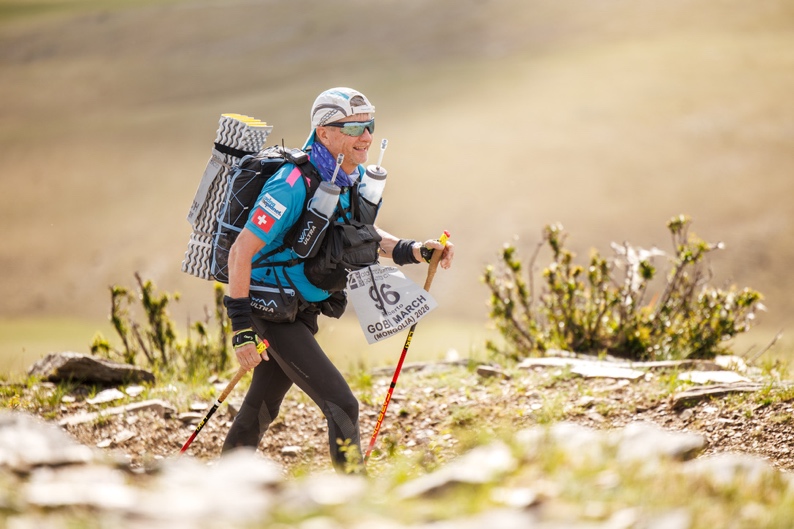
The equipment needs differ between self-supported and supported stage races. In the former, athletes must carry food, sleeping gear, clothing, and mandatory safety equipment for an entire week. In the latter, meals, accommodations, and luggage transport are provided, allowing for much lighter running packs. Either way, the equipment should be functional, reliable, and as light as reasonably possible.
For self-supported races, increase pack weight gradually in training, especially for technical terrain and long distances. But remember that the pack gets lighter as food is consumed, and a backpack that fits perfectly when full may behave quite differently when half empty. Test fit, stability and comfort at partial loads as well as at the full starting weight.
Test also footwear, clothing, sleeping equipment and lighting before race day. Saving a few grams should never compromise reliability, essential recovery and safety.
4. Nutrition: fuel today and tomorrow
Nutrition serves two purposes: supporting performance during each stage and enabling recovery for the next. Carbohydrate and protein intake, hydration and electrolytes must be adapted to effort, duration, conditions and individual tolerance. Adequate post-stage nutrition is also essential.
In self-supported races, energy needs must also be balanced with the weight of the food. Energy density, digestibility, variety and ease of preparation all matter. Supported races offer more flexibility, but proper fueling still needs a plan. Use your back-to-back training days to test the foods and drinks you plan to use in the race.
5. Race smart: pacing and recovery
One of the most common mistakes in stage racing is starting too fast. Fresh legs and competitive excitement can cause athletes to push themselves beyond their limits in the opening stages, which can have consequences that may not appear until days later. Good pacing considers the entire event, rather than treating each stage as an independent race. Preserving energy involves walking steep climbs, controlling downhill intensity, and avoiding unnecessary accelerations.
Recovery begins at the finish line. Replenish your energy and fluids, care for your body – especially your feet – prepare your equipment for the next day and prioritize sleep. Conditions differ considerably between a desert tent and a hotel during a mountain race: simple, consistent routines can make a real difference in both.
6. Mental resilience: adapt to the challenge
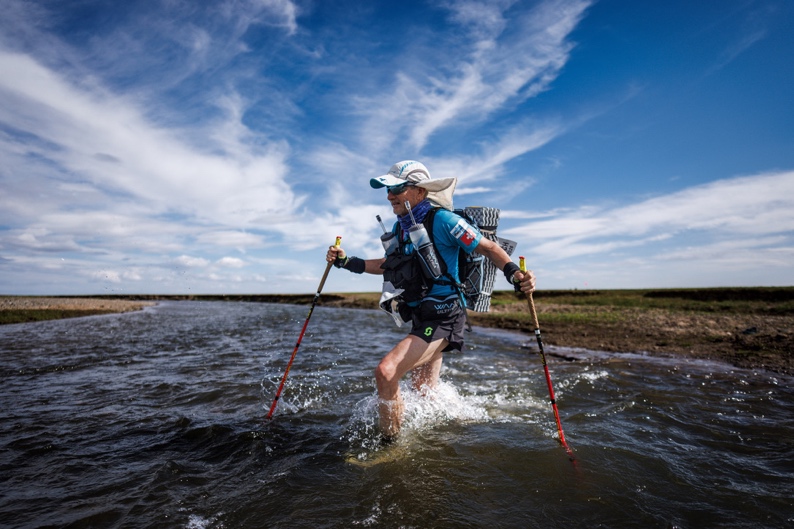
Inevitably, stage racing brings surprises: weather changes, equipment fails, fatigue accumulates, and some stages take longer than expected.
Mental resilience is not just about pushing harder. It also means recognizing when to adapt. Adjusting your pace, nutrition, or expectations is often more effective than rigidly sticking to a plan that no longer fits the circumstances. Confidence comes from preparation, experience, and learning to make good decisions despite fatigue.
7. Individual coaching makes the difference
No two stage races are identical, and neither are the athletes preparing for them. An experienced competitor targeting a podium has different priorities than someone preparing for a first multi-day adventure.
Effective coaching considers the athlete’s experience, strengths, limitations, available training time, personal goals and the ability to judge when the training needs to be adapted. Platforms such as augo help coaches structure individual training plans, monitor progress and adapt training loads, but training data should always be complemented by subjective feedback and coaching judgement. The goal is to arrive at the start line healthy, confident and prepared for the specific demands of the event.
The art of putting everything together
Successful stage racing rarely depends on one exceptional ability. It comes from many small decisions, made well, day after day. Seven lines to take to the start line:
- Don’t train for one hard day. Train to be ready for the next one.
- Stage races reward patience and punish shortcuts.
- Carry everything you need but question everything you carry.
- Test your nutrition when you are tired, not just on paper.
- Finish every stage with something left in the tank.
- Be strong enough to stick to the plan, and wise enough to change it.
- You are unique, and so is your race. Find a coach who plans for both.
My experience in self-supported desert races such as the Gobi March in Mongolia and in mountain events such as the Mythical Odyssey in Greece, both of which I raced this year, reinforces one principle:
Stage racing is not about being at your best on one day. It’s about making the right decisions, day after day.
Frequently asked questions
How do you train for a multi-day stage race?
Train for accumulated fatigue, not one hard day. Add back-to-back sessions gradually: start with two manageable sessions on consecutive days, then increase the overall load. Neither session needs to be hard; a longer session on day one followed by a shorter, easier one on day two is often more effective than two hard workouts. Use these days to test race nutrition, hydration and equipment under realistic conditions.
What is the difference between a self-supported and a supported stage race?
In a self-supported stage race, athletes carry their own food, sleeping gear, clothing and mandatory safety equipment for the entire week. In a supported stage race, meals, accommodation and luggage transport are provided, so runners can use much lighter packs. Either way, equipment should be functional, reliable and as light as reasonably possible.
How should you pace a stage race?
Pace for the whole event rather than treating each stage as a separate race. Starting too fast is one of the most common mistakes, and its consequences may not appear until days later. Save energy by walking steep climbs, controlling downhill intensity and avoiding unnecessary accelerations, and aim to finish every stage with something left in the tank.
What should you eat during a stage race?
Nutrition has two jobs: fuelling each stage and enabling recovery for the next. Carbohydrate and protein intake, hydration and electrolytes should match effort, duration, conditions and individual tolerance, followed by adequate post-stage nutrition. In self-supported races, also weigh energy density, digestibility, variety and ease of preparation against the weight you carry. Test everything on back-to-back training days.
How do you prepare for the elevation of a mountain stage race?
Let the race terrain guide your training. For a mountain stage race with thousands of meters of climbing, combine uphill running and hiking (with poles, if you will use them in the race) with controlled downhill training, plus strength work such as single-leg exercises, calf strength and core stability. Progress gradually: jumping from 100 to 1,000 meters of elevation gain in a week does not give your body time to adapt to long descents.
Does a stage racer need a coach?
No two stage races or athletes are alike, so individual coaching helps. A good coach considers your experience, strengths, limitations, available training time and goals, and knows when training needs to be adapted. Training data should always be complemented by subjective feedback and coaching judgement, so you arrive at the start line healthy, confident and prepared.
About the author
Roberto Rivola is a trail running coach and a certified Swiss Athletics expert involved in coach education. Through his company Movimentor, he mentors both beginners and experienced athletes preparing for trail running, ultramarathons and multi-day stage races. He combines evidence-based training principles with his extensive personal experience in desert and mountain stage races. He uses augo to support personalized training planning.